خذلان سوريا: لماذا على العالم اليوم أن يكون مستعداً لسقوط الأسد وللعواقب المترتبة على ذلك؟

9 شباط/فبراير 2012

 كورت ج. ورثملر Kurt J. Werthmuller

 (باحث في معهد هدسون لحرية الأديان)


 فيما بدأ مجتمع السياسة الخارجية أخيراً الخوض في الأزمة السورية ببالغ الاهتمام، أصبح واضحاً على الفور مدى نأي العالم عن التوصل إلى إجماع بشأن نوعية رد الفعل تجاه قمع نظام الأسد الدموي للمعارضة (والذي حصد حتى الآن ما لا يقل عن 7000 شخص). وحول فشل إجراء مجلس الأمن التابع للأمم المتحدة الذي كان من شأنه التقدم بمطلب مباشر لوضع حد للعنف فضلاً عن دعوة الأسد إلى التنحي،عبّرت وزيرة الخارجية الأميركية هيلاري كلينتون السبت الماضي محذّرة من أنه “في ظل غيابنا عن العمل سويةً كمجتمع دولي فإن نهاية اللعبة ستكون حرباً أهلية”. هذا وقد استهلّ أيضاً أعضاءٌ في الكونغرس الأميركي مناقشة خيارات التدخل العسكري الأميركي (على الرغم من كون هذه الخيارات لا تزال بعيدة بشكل جليّ عن التوافق عليها أو تطبيقها). في المقابل، أكّد وزير الخارجية الروسي على تأييده لنظام الأسد، وذلك عبر توجّهه إلى دمشق لعقد اجتماعٍ ودّي مع بشار الأسد يوم الثلاثاء. في هذه الأثناء يختلف خبراء السياسة الخارجية الأميركية حول مسألة التدخل الأجنبي العسكري المباشر في سوريا، لكنهم يتفقون في المجمل على أن شرعية النظام قد أفلست وأنه لا بد من التعجيل بسقوط الأسد.

استمر في القراءة

On militarism, Violence, and Revolution

Yasin al-Haj Saleh

29/January/2012

Without putting it in the context of 320 days of unrestrained violence that is practiced against it by the regime, there is no point in discussing the growing military dimension of the Syrian revolution nor the ongoing intellectual, political, and psychological transformations occurring in society and revolutionary environments throughout this bloody period. The regime tangled the military in confrontations at the focal points of the revolution, killing many of its members for refusing to shoot on their fellow citizens (Human Rights Watch report in December). As a result a number of soldiers and officers defected forming eventually a loose umbrella organization called the “Free Syrian Army.”

Cities and towns in the governorates of Deraa, Damascus’s suburbs, Homs, Hama, Idlib, and Deir Al-Zour were exposed to disciplinary campaigns similar to those of the colonial era, which prompted civilians to carry arms and confront the regime’s forces. We should not forget that it was the regime which from the beginning entangled civilians in the conflict on a large scale: the “Shabbiha”.

These circumstances, which are known to all, mean that the military component of the revolution is integral and thus it cannot be overlooked when thinking about it and planning it politically. This is not an external component, nor does it possess a specific pre-revolution ideology.

The military component does not negate the general peaceful character of the revolution; neither in the beginning nor today. The pacifism of the revolution is inherent in its societal composition; in the kind of demands that drive it; in its main tool of protest (demonstrations); and not in any ideological preferences or political tactics. It’s known that the opposition between peaceful demonstrations that raise banners and chant slogans and armed groups shooting bullets does not say anything about the reality of the situation. It serves only to hide the mouthpieces’ ignorance of what is actually with hollow comparisons.

The truth of the matter is that keeping protests peaceful was not feasible in most locations were it not for the “Free Syrian Army” with its military and civilian components to provide relative protection and deterrence against the regime’s striking arms.

Rejecting to realise this reality neither changes it, nor allows understanding it, nor affects the possibility of influencing it. The unending repetition of anti-militarization and anti-armament arguments without the slightest signal of abandoning violence on the part of the regime is like blaming the victims for their resistance to the aggressor. There are no nationalist or human justifications for attitudes such as this.

In an ideal situation, there is no doubt that peaceful resistance is preferred to armed struggle. However, we’re not in a pick-and-choose position, but in a discernible reality that imposed on a greater number of Syrians to defend themselves against a regime whose very being –and not temporary conditions or “popular demands” (as per the words of one Syrian minister)—that engenders violence and hatred.

We are required to comprehend and expect that the tendency towards militarization may be, actually it is today, accompanied with chaotic and undisciplined practices. We cannot deal with this emerging reality with a puritanical logic that rejects any armed resistance or opposes the revolution itself with the excuse that chaotic practices are occurring within it. This is not feasible as long as the regime continue to pursue its “militarization”. What is feasible is to work within the revolution, not outside it or above it, towards the direction of uniting the armed soldiers and civilians into one coordinated body and enjoining this military component in the general interest of the revolution. This is not easy; and nothing guarantees it will be achieved as desired. However, to continue in this naïve talk of pacifism is a prescription of absolute failure to realise it.

Apart from the possibilities of chaos, violence is elitist and undemocratic in essence. Therefore, expanding the practice of violence, even when disciplined, would raise the threshold for participation in the revolution making the involvement of women, children, and old people marginal. Nevertheless, our choices are not between militarization and non-militarization; but between a non-disciplined, unrestrained militarization, on the one hand, and another form of militarization that is less unrestrained and maybe more disciplined, on the other hand.

A political transformation that is achieved through military force causes various social, political, and security complications. It is thus less favourable to democratic development than a transformation that is happening peacefully. However, again, our choices are limited. The military component of the revolution is a side effect of the regime’s elemental violence, and not the outcome of any party’s will or decision.

The main point in this discussion is that there is no opportunity to restore the lost innocence before blood was spilt or the chants of confronting the violence of the regime “bare chested”, especially when expressed by those who do not participate in this revolution; neither with chests nor with bottoms. Instead of imaginary innocence, initiatives are required to establish the moral, political, and military discipline needed for militarization. The duty of intellectuals and politicians is to organize and rationalize not disassociate and distance themselves from the chaotic reality in front of us. That is defeatism.

In reality, some of what is being said in regard to militarization comes is motivated by an objection to the revolution itself and not by the legitimacy of practices occurring within it. The revolution aims to undermine the legitimacy of the regime and deny its national and general character; hence showing its violence to be factional and non-national, and denying any legitimacy or generality to its agencies. The new legitimacy and generality is the revolution itself. While this legitimacy cannot be conferred automatically on all violent acts occurring in the name of the “revolution” or under its umbrella, the only position that allows uniform opposition to undisciplined violence is one inside and with the revolution, not outside or against it. Undoubtedly the violence of the revolution is more legitimate in comparison to the violence of a regime that kills its people. Additionally, the revolution’s violence is further legitimized because it is compulsory and carried out in self-defense essentially, even though it may takes the initiative to attack for tactical purposes.

There is indeed a peaceful spirit at the core of the revolution that is resisting the urge to react violently, even for self-defense. However, the best defense of pacifism is participation in the revolution, including fieldwork, and working diligently to preserve its civil nature. The worst defense is standing on the side, while singing for pacifism.

From a practical perspective, there is a need for a public legitimate institutional body that exceeds the outward embracement of the cause of the revolution and standing by it to involvement in it besides growing intellectually, politically, and organizationally in accordance with its increasing development and complexity. Such a general body can coordinate between the components of the revolutions and leading it to its desired national goal. This has not occurred. However, what is most optimistic about in regard to the Syrian revolution is the plurality of centers of intellect and initiative. These centers are not directed by anyone and they persistently work to regulate the militarization of the revolution and develop its general civil character.

Original article in Arabic
http://international.daralhayat.com/internationalarticle/355882

إلى متى سيبقى الجيش متمسكاً بالأسد؟

هل تمثل مدينة حمص نموذجاً عن دموية حكم الرئيس السوري بشار الأسد، كما كانت حماة لوالده حافظ الاسد قبل 30 عاماً عندما  قمع لمدة أسابيع المعارضة من جماعة الإخوان المسلمين، والتي أسفرت عن حوالي 30000 قتيلاً ؟

على الجيش أن يحافظ على ولائه للنظام الحاكم في المقام الأول، كما يقول خبير بريطاني.

“مبدأ-حماه” كما وصفه توماس فريدمان في كتابه “من بيروت إلى القدس”، هوالمبدأ الموّجه للرئيس السوري الراحل حافظ الأسد. هذا المبدأ يذكّر به المحلل السياسي شاشانك جوشي من المعهد البريطاني الملكي للخدمات المتحدة في حديثه لهيئة الاذاعة البريطانية. BBC

 بشار الأسد، حاول فرض “مبدأ-حمص” باعتباره دليل على ثباته وقدرته على التصرف.

ومن الواضح أن المشكلة هنا أن الجيش وشبكة الاستخبارات هم أيضاً من أتباع المذهب نفسه.


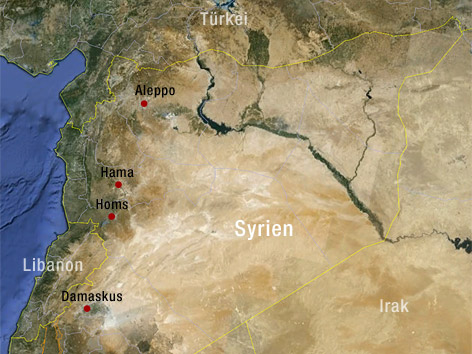
مراكزالاضطرابات في سوريا – قبل 30 عاماً، حماه والآن حمص وحلب

يتميز الجيش السوري، على الأقل في الرتب العليا بالطائفية، وفرصة بقاءهم في سوريا بعد الأسد ضئيلة.

طالما أن الصراعات تحت السيطرة كما كانت في عهد حافظ الأسد، فإن نموذج عمل حزب البعث الحاكم هو نموذج فعال وناجح.

استمر في القراءة

رسالة الى السيدة كاثرين أشتون .. لا تتركي السوريين يختنقون!

غاي فيرهوفشتاد

إن المجزرة المتواصلة في سوريا تفرض على المجتمع الدولي أن يتدخل. يجب أن نتحرك وبشكل مباشر لوقف سفك دماء ألاف السوريين الأبرياء فالأن وبعد ثلاثين عاماً على مجزرة حماه يبدو أن المجتمع الدولي لم يتعلم الدرس. اليوم وفي العام 2012 في مدينة حمص وفي شوارع مدن وقرى سورية أخرى تتكرر أخطاء الماضي. اذا لم نتحرك لتوحيد أرائنا والعمل لما فيه مصلحة الشعب السوري كأولوية قصوى فان ألاف السوريين سيدفعون الثمن باهظاًً. ان ما يجري الان في حمص هو وبكل وضوح لحظة بنغازي سوريا.


يوم الأحد 12 شباط أقرت الجامعة العربية تجميد كافة العلاقات الدبلوماسية مع النظام في سورية كما وقررت البدء بدعم المعارضة سياسياً ومالياً وطلبت من الأمم المتحدة تشكيل قوة سلام من الأمم المتحدة وقوات عربية لأرسالها الى سوريا والمفارقة أن هذا التقدم الايجابي قد جوبه بصمت أوروبي مريب. وقد قررت الجامعة العربية أخيراً الدعوة الى عقد مؤتمر لأصدقاء سوريا يوم 23 شباط في تونس لوضع استراتيجية مشتركة لمستقبل سوريا وهذا قوبِل أيضاًبتشكيك أوروبي.
ولذلك فانني أسألك وبشكل خاص أن تسارعي الى الترحيب باقتراحات الجامعة العربية وأن نتحول من الأقوال الى الأفعال. من المهم وبما أنك الممثل الأعلى للسياسات الخارجية في الأتحاد الأوروبي أن تؤكدي على حضورك لمؤتمر تونس. على الأتحاد الأوروبي ومنذ البداية أن يقوم بدور فعال وبناء في العمل المشترك في مجموعة الاتصال والعمل مع الدول المعنية والمهتمة بالتحول الديمقراطي في سوريا للوصول للغاية المنشودة وللوصول وبسرعة لهذه الغاية لابد لمجموعة الأتصال العمل على تحقيق ثلاثة أهداف وهي :

استمر في القراءة

سوريا:‬خلف جدار الخوف، دولة في انهيارٍ بطيء‬

على الرغم من الهدوء السطحي في دمشق، يعرف الجميع أن التغيير قادم. السؤال الوحيد هو،كم ستكون التكلفة؟

إيان بلاك Ian Black في دمشق.

الاثنين16كانونالثاني/يناير 2012

بينما كانا يحتسيان الشاي في مقهى دمشقي مليء بالدخان، بدا كل من عدنان وزوجته ريما طبيعيين بشكل كاف لا يلفت الانتباه، فهما مجرد زوجان في الثلاثين من العمر تقريباً يتنفسان الصعداء في نهاية يوم عمل في واحدة من أكثر المدن توتراً في العالم.

لكن مثلهما مثل الكثيرين في العاصمة السورية، ليسا كما يبدوان من النظرة الأولى، ففي الحياة، يعمل هو كمهندس برمجيات، بينما تعمل زوجته كمحامية. أما الآن، فكلاهما ناشطان سريّان يساعدان على تنظيم الانتفاضة ضد الرئيس بشار الأسد.

إنه عملٌ خطير، فعلى مدى الأشهر العشر الماضية، تم قتل الآلاف من السوريين- ربما يكون ضعف الرقم الذي قدمته الأمم المتحدة والمقدر بـ5000 قتيل – فيما يواصل الأسد حملته الشرسة حيث لا وجود لأي إشارة على انتهائها، إلا أن خصومه مصممون على الاستمرار على حد سواء.

استمر في القراءة

العقوبات وحدها لن تُجدي

نيكولاس فاندام Nikolaos Van Dam

السياسي المخضرم نيكولاس فان دام يدعو للحوار مع النظام في سوريا.

” إنّ الغرب يتعامل مع القضية السورية بشكل خاطئ ” يقول نيكولاس فان دام، “أنا أفتقر للتواصل المباشر، إنّ من يريد أن يكون ذو تأثير عليه أن يحاور، تماماً كما يفعل الروس”

هذا الدبلوماسي الهولندي السابق هو من أشهر الخبراء بالشأن السوري وهو يرى أبعد من ذلك فبعد أن عمل لسنوات طوال في السلك الدبلوماسي وخصوصاً في العالم الاسلامي فانه يتعامل بحذر مع الربيع العربي كما يقول ” ليسَ من الضروري أنْ تستحقّ نتائج الربيع جائزةً حسَنَة”.

” لا أفهم لماذا يرفض الغرب الحوار مع النظام في سوريا فالتواصل هو المفتاح لحقن الدماء، إنّه ضروري حتى بوجود رئيس بعبع كالأسد” يقول الدبلوماسي الهولندي واسمه المختصر غووس، لا أرى أنّ الطريقة التي يتعامل بها الغرب مع سورية مجدية فالوضع الآن هو كالتالي ” أنا أتحاور معك فقط عندما تنفّذ ما أقول، لكنّ هذا غير مجدٍ. “

يعتَبَر نيكولاس فان دام البالغ 66 عاماً من أشهر الخبراء بالشأن السوري، وهو صاحب الكتاب المعروف “الصراع على السلطة في سوريا” الذي صدرت نسخته الرابعة في العام الماضي.
“تقف سوريا على مفترق طرق الآن، فإمّا أن يكون هناك اصلاحات في ظل النظام الحالي أو أن تنزلق البلد إلى حرب أهلية، ولكي تستطيع أن تؤثر يجدر بك أن تحاور، بينما ومن خلال رفض الحوار فإنّ الاتحاد الأوروبي والولايات يستمرون في النّأي بأنفسهم عن كل مايجري، وإذا ما اخترت التواصل عبر الرسائل أو الخطابات العلنبة فعليك أن لا تقطع ذلك كله.”

استمر في القراءة

الثوار السوريون يجدون موطئ قدم لهم في دمشق-تقرير مترجم

المصدر

http://www.bbc.co.uk/news/world-a-east-16771542
http://www.bbc.co.uk/arabic/middleeast/2012/01/120126_syria_rebels_gain_footh

إسلاميون ضد الأسد: متطرفون يعرضون الثورة السورية للخطر

من أولريكه بوتز Von Ulrike Putz , بيروت

15 شباط/فبراير 2012

القاعدة تدعو للقتال ضد الاسد. يتواجد الآن جهاديون من دول عربية مجاورة بين صفوف الجيش السوري الحر. هذا يمكن أن يسبب مشكلة للثائرين.

الرسالة كانت واضحة: “على كل مسلم أن يدعم المقاومة ضد النظام السوري، بكل مايملك، بحياته، بماله وبرأيه وبالمعلومات التي يملك، هكذا دعا زعيم تنظيم القاعدة الإرهابي المؤمنين بالتوجه إلى سوريا وبحمل السلاح.

“التمرد على النظام الغير إسلامي في دمشق هو واجب ديني” حذر الظواهري في رسالة مرئية دامت ثمان دقائق ونُشرت على موقع انترنت تابع للإسلاميين يوم الأحد.

يجب على المؤمنين أن يعتمدوا على الله في المعركة ضد نظام بشار الأسد السرطاني الخبيث، ويجب أن يكونوا مستعدين للتضحية والصمود. بشكل خاص فإن السنة في لبنان، تركيا، الأردن، والعراق مطالبون بذلك. عليهم أن يسرعوا في مساعدة المضطهدين في البلد الجار لهم.

استمر في القراءة

لماذا ينبغي ألا تشكك فيما تعلم أنه حقيقة

سيمون كوليس Simon Collis

9 شباط 2012


لقد كنت السفير البريطاني إلى سوريا منذ العام 2008، لكن زيارتي الأولى لهذا البلد تعود لأكثر من ثلاثين عاما مضت. سوريا: أعرفها جيداً، وأحبها كثيراً جداً. ممّا يجعل ما يحدث منذ آذار من العام الماضي أشدّ رعباً وحزناً بالنسبة لي أنا شخصياً.

تقول الأمم المتحدة أن أكثر من 5400 شخص لقوا حتفهم في الأشهر العشرة الماضية، بعضهم من جراء التعذيب في السجون. المجموعات الأخرى – وخاصة تلك المعارضة للرئيس الأسد ونظامه – تدعّي أن الرقم أعلى من ذلك بكثير. النظام السوري في المقابل يخبرنا أن هذه المزاعم مبالغٌ فيها وأن على العالم أن ينظر بدلاً من ذلك إلى مصرع الجنود وقوات النظام.

استمر في القراءة

شهود عيان سويسريون: الدولة نصبت لنا فخاً – تقرير مترجم


أصدقاء الصحفي جيل جاكييه، والذين كانوا معه عندما قتل في حمص، ، يتهمون الحكومة السورية بأنها قادتهم إلى فخ..


تقرير مترجم من تلفزيون ألماني